SECTION 2. MOTORCYCLE TYPESINTRODUCTION
A motorcycle is a single-track, two-wheel vehicle designed to be straddled by its rider and having handlebars for control, but variations exist such as three-wheel designs. The three basic motorcycle types are: (1) street, (2) dual-purpose, and (3) off-highway.
INTRODUCTION
Street motorcycles are designed for use on public streets. Dual-purpose motorcycles can be used on the street or on off-highway trails. Off-highway motorcycles are not street-legal. Each type of motorcycle is available in a variety of styles and sizes. For example, street motorcycles include cruisers, sport bikes, and touring bikes. Shopping to find the right one for you can be a lot of fun. See below for motorcycle characteristics.

STREET MOTORCYCLE
Cruiser
Usually has "classic" styling
Forward footrests
Swept back handlebars
Rearward-leaning seating position
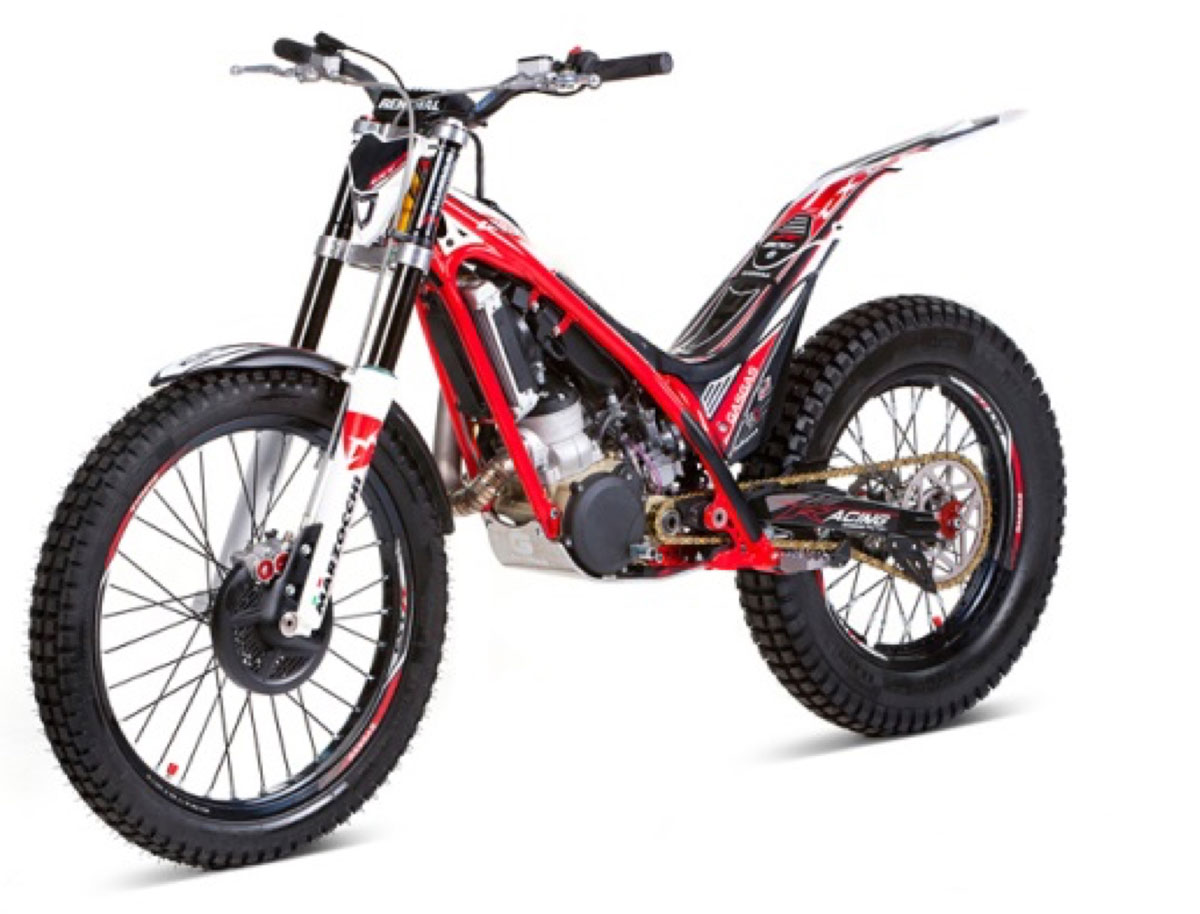
OFF-HIGHWAY MOTORCYCLES
Trials
Low-speed competition over challenging obstacles
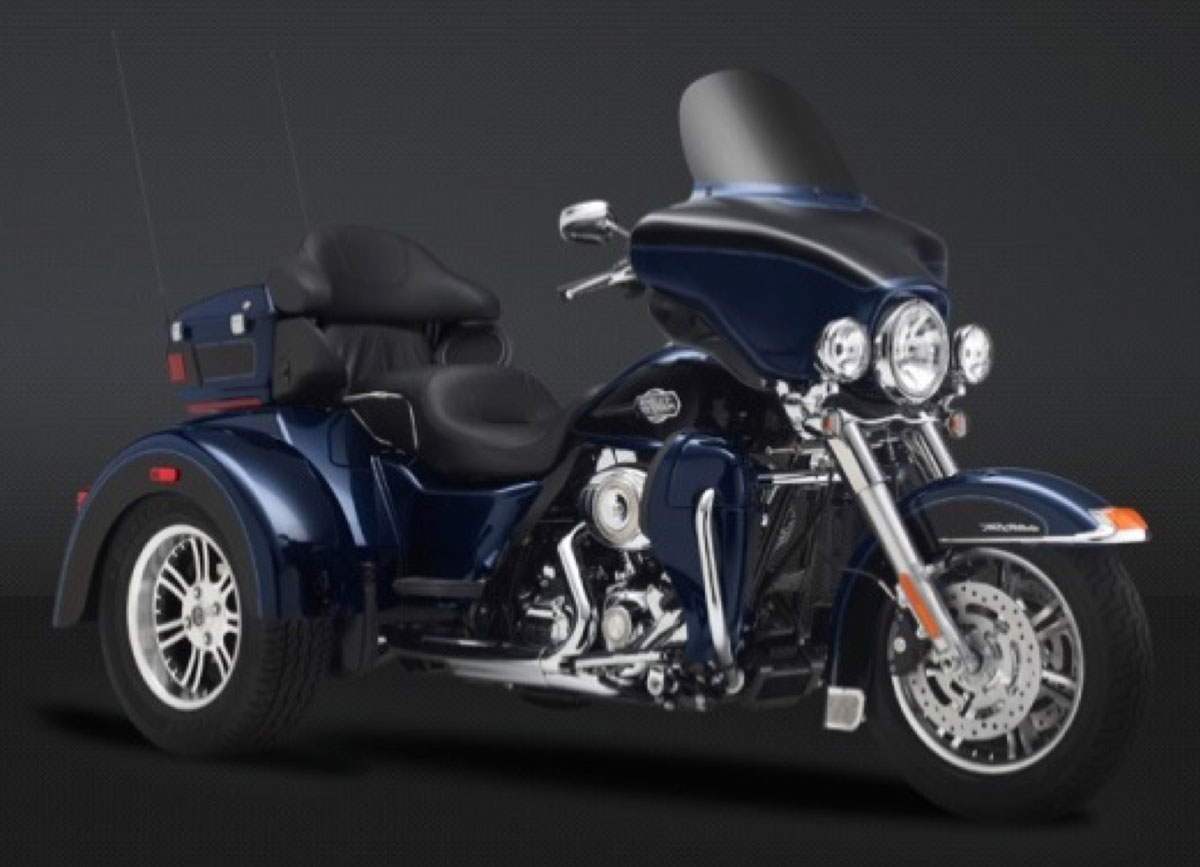
STREET MOTORCYCLE
3-Wheeled
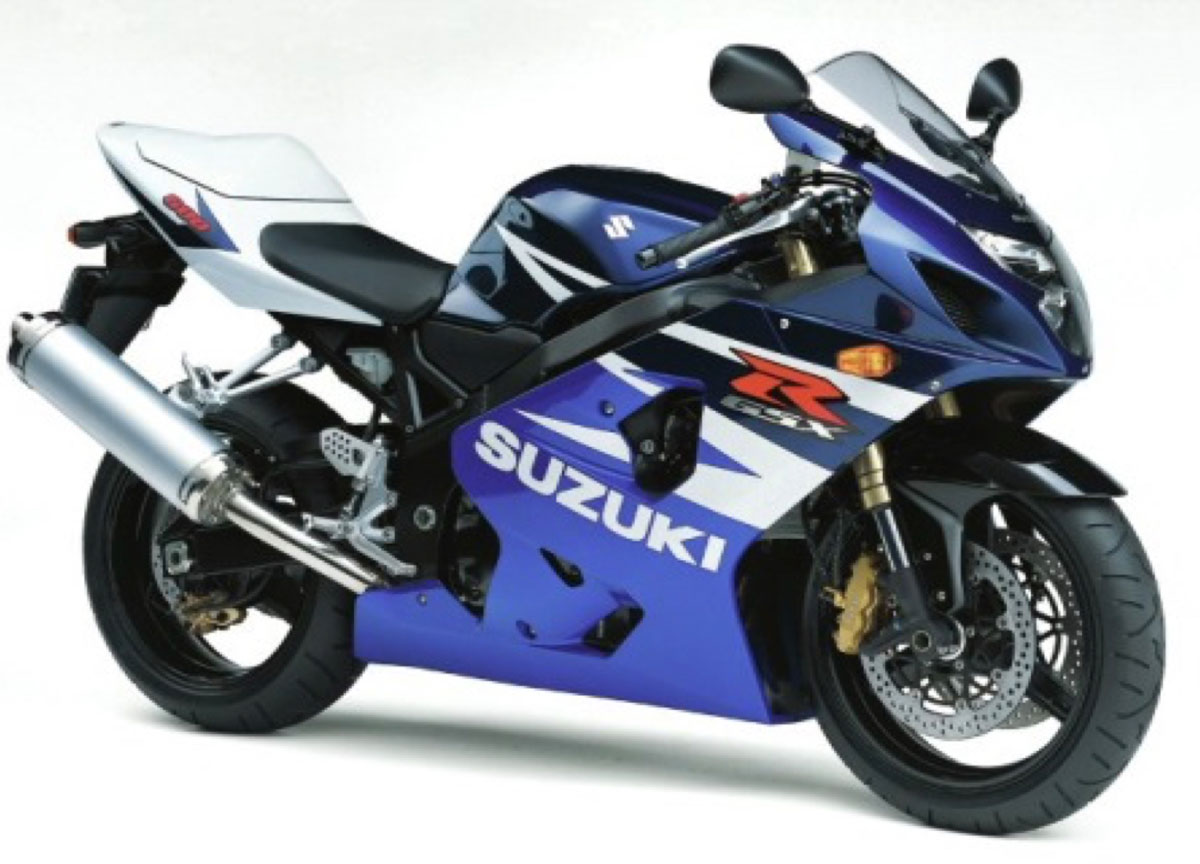
STREET MOTORCYCLE
Sport
Body panels and fairing for aerodynamics
Rear-positioned footrests
May have higher power-to-weight ratio
Forward-leaning seating position
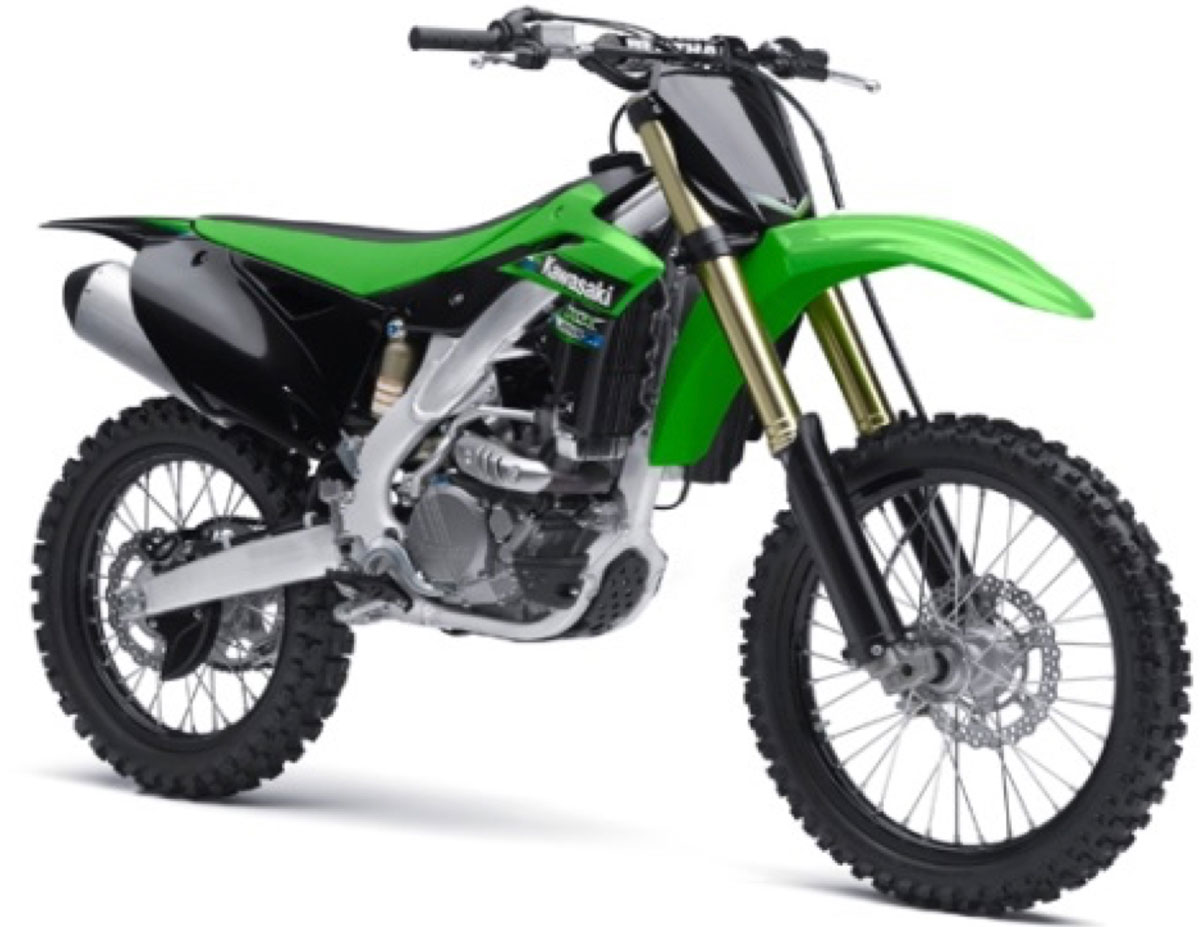
OFF-HIGHWAY MOTORCYCLES
Motorcross
Closed course competition over bumps and jumps
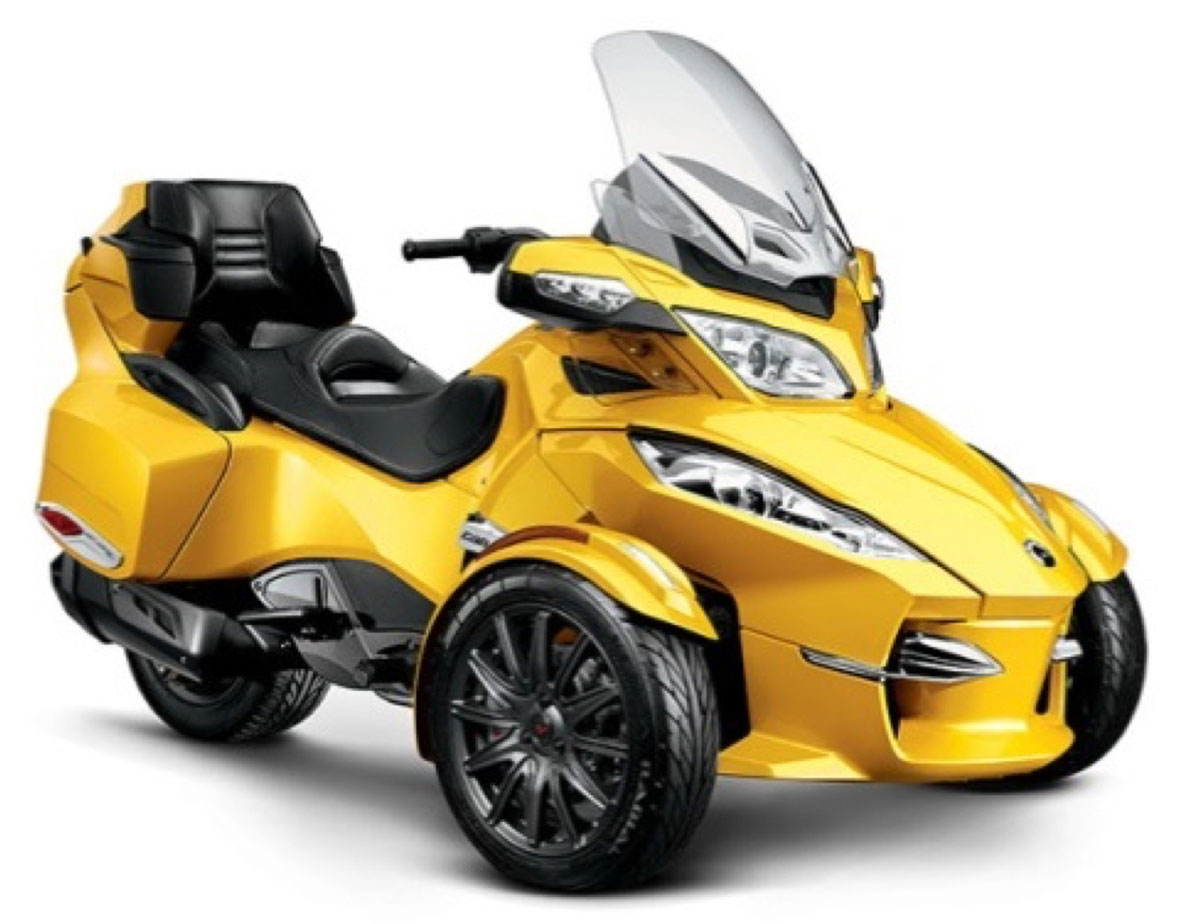
STREET MOTORCYCLE
3-Wheeled
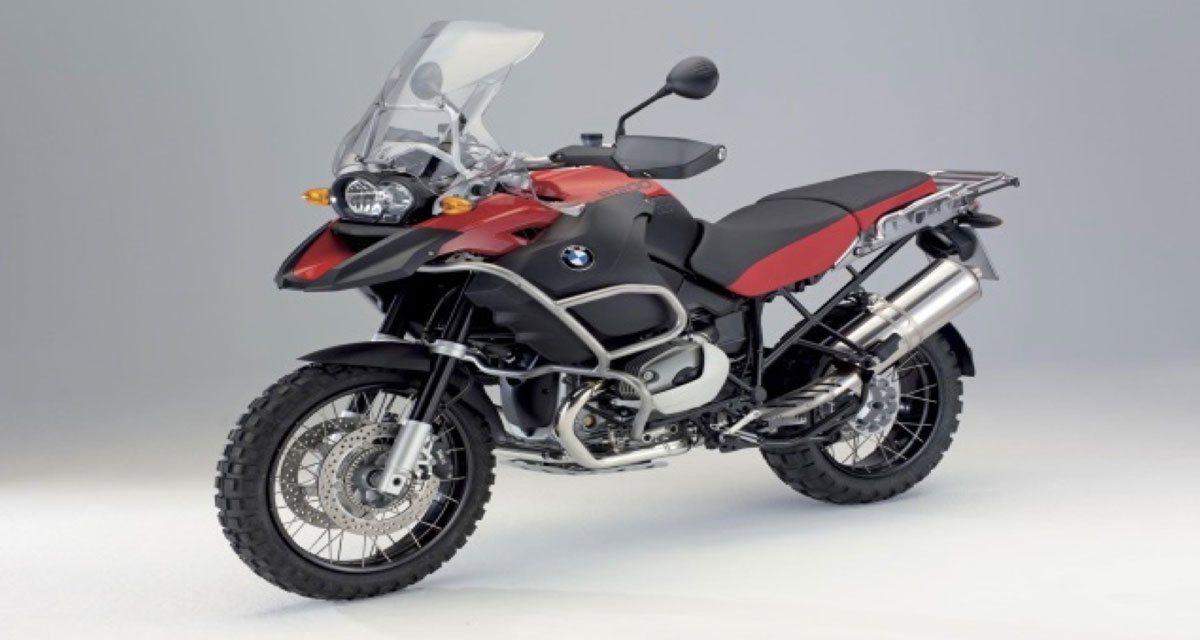
DUAL PURPOSE MOTORCYCLES
Used for both street and off-highway riding
Various engine sizes, up to large adventure-touring models
Tall seating and straight-up seating position
Special tires provide grip on pavement and dirt
Extra ground clearance and long-travel suspension
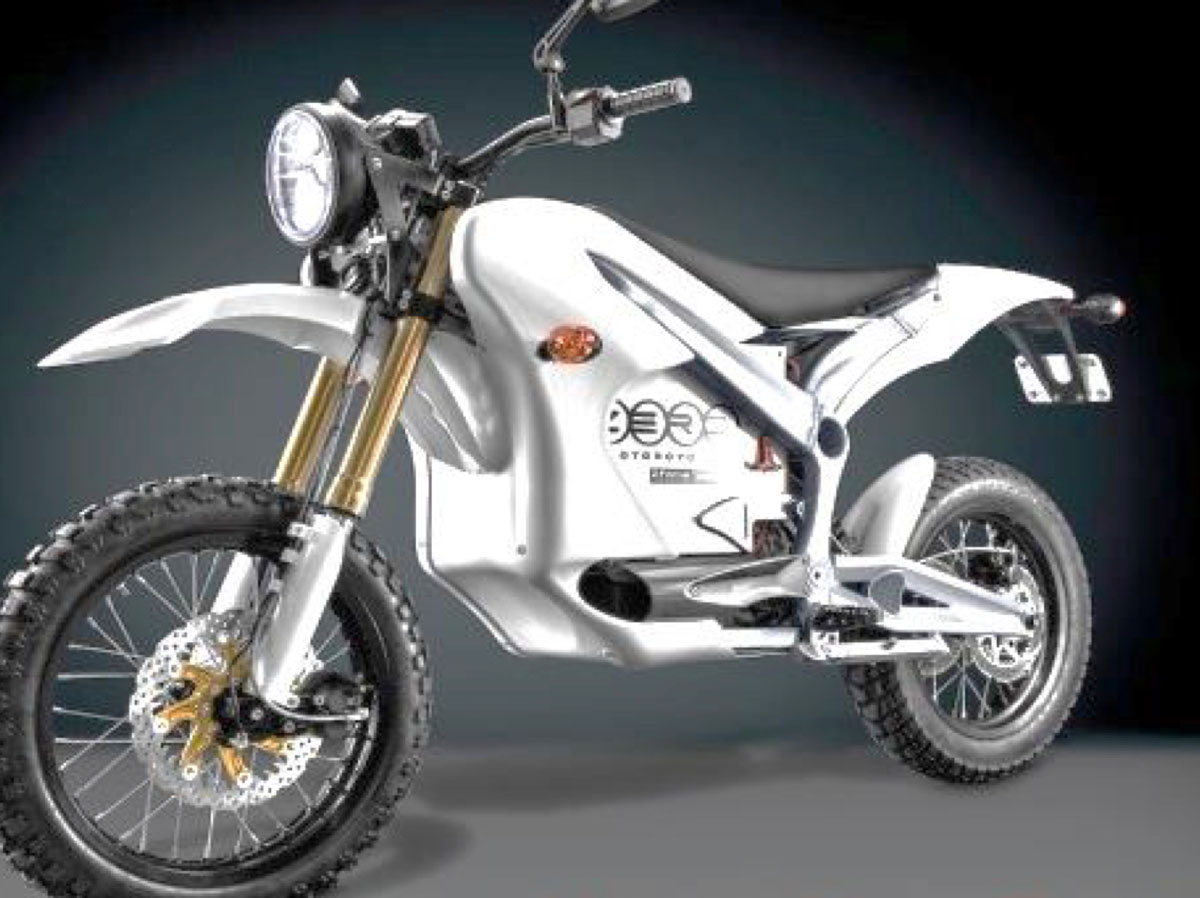
ELECTRIC
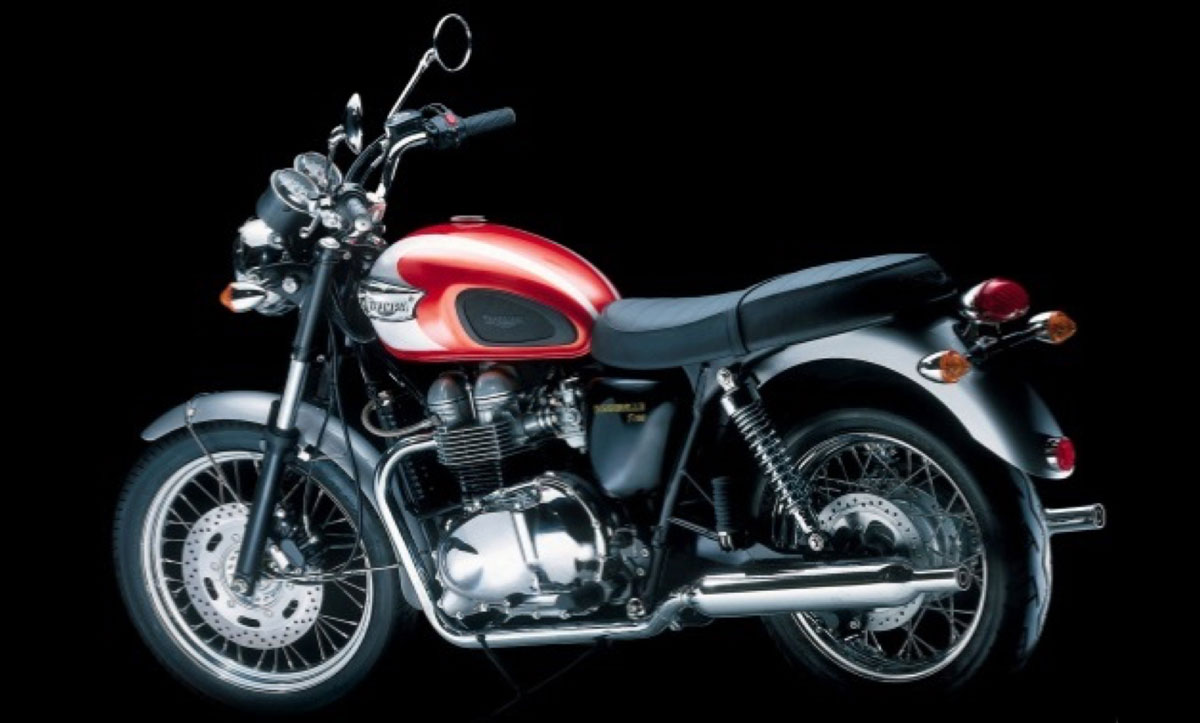
STREET MOTORCYCLE
Standard
All around capabipties
Sometimes called a naked bike (minimum use of body panels)
Straight-up seating position
Various engine sizes

STREET MOTORCYCLE
Scooter
Step-through design, often with under-seat storage
Usually has smaller wheels
Most have automatic transmission
OFF-HIGHWAY MOTORCYCLES
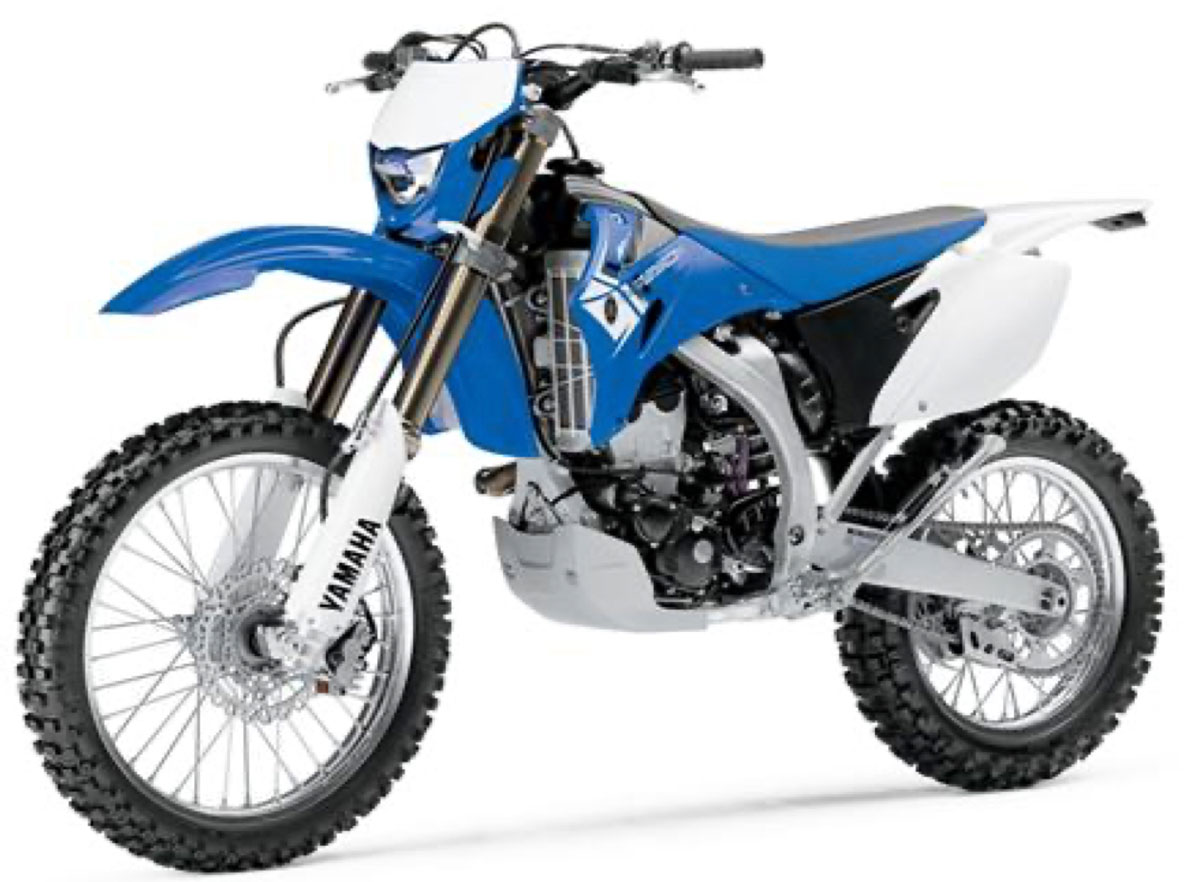
Enduro
Recreational riding in forests or deserts
Some have a headlight and taillight
STREET MOTORCYCLE
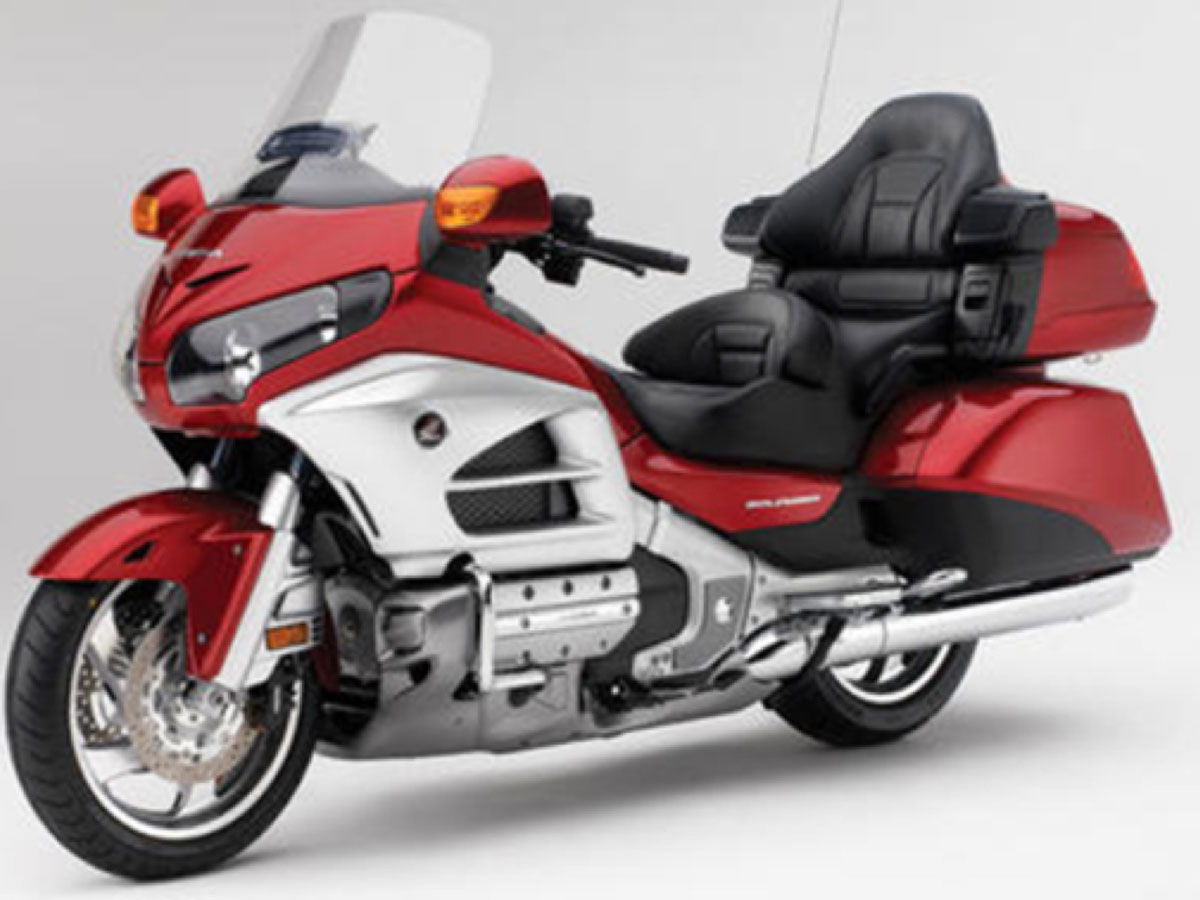
Touring
Designed for comfort and riding longer distances
Large engine
Large wind-deflecting fairing
Heavier than most other motorcycle types
Bags for additional storage space